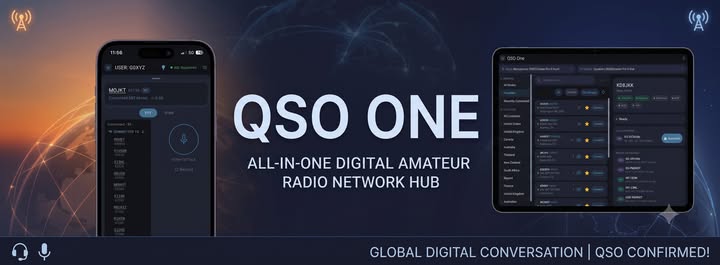

Recently, a new Apple and Android app called QSO-One has emerged, bringing what could best be described as a virtual Swiss Army knife to the world of digital amateur radio. This innovative application allows operators to connect and conduct QSOs across multiple digital platforms, all from the convenience of a smartphone.
QSO-One is nothing short of a technological marvel, and it is quickly making waves throughout the amateur radio community. Imagine joining live nets and making contacts across AllStarLink, EchoLink, DMR, System Fusion, M17, P25, and Beacon Chatrooms, with even more capabilities promised in future updates.
Perhaps most impressive is the accessibility it offers. There is no longer a need to invest in expensive radios or specialized equipment to explore many of these digital networks. With nothing more than your smartphone and an internet connection, you can access hundreds of repeaters, reflectors, rooms, and nets around the world.
QSO-One is opening new doors to digital communications, making it easier than ever for amateur radio operators to connect, explore, and participate in the ever-expanding world of digital radio.
Is this a possible threat to traditional Ham Radio? Equipment manufacturers? To my way of thinking, No!
Maybe just the way how people participate in the hobby.
My biggest concern. If people can communicate world wide using a smartphone application, some may ask : “Why should I buy a radio, build an antenna or learn radio operating skills?” That is a legitimate concern for radio clubs and manufacturers. But there is a huge difference between communication through an internet connected application and using the radio waves. If the internet were to go down, or power outages occur, “real” radio as they say will be a reliable source.
The real question isn’t whether digital applications will eliminate ham radio. It’s whether they will eventually make traditional radio operating less popular That is a much more realistic possibility. 73
Duff